Dead Endpoints and Zombie Contracts: When Your API Ecosystem Starts Eating Itself
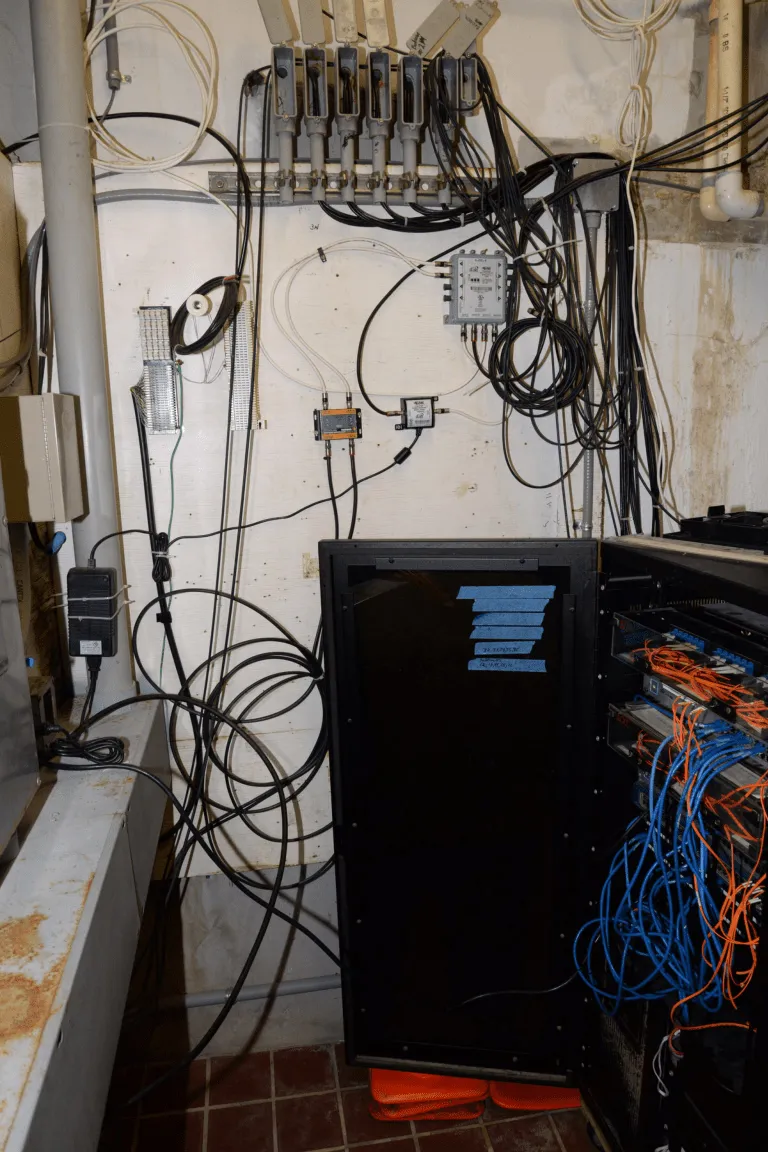
Photo: Federal Bureau of Investigation, Public domain, via Wikimedia Commons
There's a particular kind of dread that hits a senior engineer on a Sunday night. Not the dread of a bug they wrote — the dread of a bug buried inside an integration they inherited from someone who left the company two years ago, connecting to a third-party service that may or may not still exist, documented in a Confluence page last updated in 2019. That's API rot. And it's more common than most organizations want to admit.
The average mid-sized US tech company today maintains somewhere between 30 and 200 active API integrations, depending on how loosely you define "active." The problem is that word — active. A lot of those endpoints are more like zombies. They're technically alive, still receiving traffic, still sitting in the codebase, but nobody really knows what they do anymore or whether they're safe to touch.
How You Got Here (Even If You Had Good Intentions)
API sprawl doesn't happen because engineers are careless. It happens because organizations grow faster than their integration strategies do. A startup signs up for Stripe, then Twilio, then a data enrichment service, then a CRM, then a second CRM because the first one didn't work out. Each integration made complete sense at the time. Nobody planned for the moment when all of those contracts would need to be maintained simultaneously by a team that's already stretched thin.
The pattern usually follows a predictable arc. First, integrations get added opportunistically — fast, scrappy, just enough to ship. Then the team grows and different engineers own different parts of the system, so nobody has a complete picture. Then the original engineers leave, taking institutional knowledge with them. Finally, a new requirement comes in that touches four of those legacy integrations at once, and suddenly you're staring into the abyss.
This is what engineers at a mid-size e-commerce platform discovered a few years back when they tried to roll out a new checkout flow. The new flow needed to coordinate between their payment processor, their fraud detection service, their inventory system, and their loyalty points engine. Three of those four integrations had been written by contractors. Two of them used deprecated authentication methods. One of them was making calls to an endpoint the vendor had quietly sunset six months earlier — it just happened to still return a 200 status with stale data. The integration wasn't broken. It was lying.
The Patterns That Predict API Rot
Not all integrations decay at the same rate. There are a handful of structural patterns that tend to accelerate the rot, and if you can spot them early, you can intervene before the damage compounds.
Version drift is probably the most common. You integrate with a vendor's v2 API, they release v3 with better rate limits and a cleaner schema, but migrating feels like low-priority work. Months pass. Now you're on a deprecated version with a sunset date, and the migration is no longer optional — it's urgent, which means it's disruptive.
Implicit contracts are sneakier. These are the undocumented behaviors your code depends on — a field that's always been in the response payload even though it's not in the official spec, a rate limit that's technically 1,000 requests per minute but your service has always been allowed to burst higher because your account rep was friendly. When those implicit contracts break, your monitoring won't catch it because technically nothing violated the documented API contract.
Ownership voids happen when an integration lives in a gray zone between teams. Nobody explicitly owns it, so nobody monitors it proactively, nobody reviews it during incident post-mortems, and nobody advocates for refactoring it. These are the integrations most likely to surprise you.
A Framework for Getting Back Control
The good news is that API consolidation, done thoughtfully, is one of the highest-leverage infrastructure investments an engineering organization can make. The bad news is that "thoughtfully" is doing a lot of work in that sentence.
Start with an integration audit — not a full refactor, just a map. Document every external API call your system makes, who owns it, what version it's on, when it was last reviewed, and what happens to your product if it goes down. This exercise alone tends to surface two or three integrations that nobody realized were still in production.
From there, apply a simple triage framework. Integrations fall into one of three buckets: critical and current, critical and stale, or non-critical and questionable. The third bucket is your first target. Removing dead weight is faster than fixing it, and it reduces the cognitive surface area your team has to maintain.
For the integrations in the second bucket — critical but stale — prioritize based on blast radius. How many users does this touch? How hard is it to roll back if it fails? What's the vendor's stated sunset timeline? Build a migration roadmap, assign explicit owners, and treat those migrations like product features with deadlines, not like maintenance tasks that live permanently at the bottom of the backlog.
Building a Culture That Prevents This Going Forward
The real fix isn't technical — it's process. The organizations that manage API ecosystems well tend to do a few things consistently. They treat every new integration as a long-term commitment, not a quick addition. They require a designated owner before any external API gets merged into production. They set calendar reminders to review integrations every six months, not just when something breaks.
They also build integration health into their observability stack from day one. Tracking whether an API call succeeded is table stakes. Tracking whether the response schema has changed, whether latency is trending up, whether you're approaching rate limits — that's the layer most teams skip, and it's the layer that would have caught that lying e-commerce integration months before it caused an incident.
Your API ecosystem is infrastructure. Treat it like infrastructure. Audit it, own it, and prune it before the graveyard gets too crowded to navigate.